CHEMIA INTERNA Workshop (CIW 2026)
Dates: 23rd March to 28th March 2026
Venue: Conference Hall, M. G. Science Institute, Ahmedabad
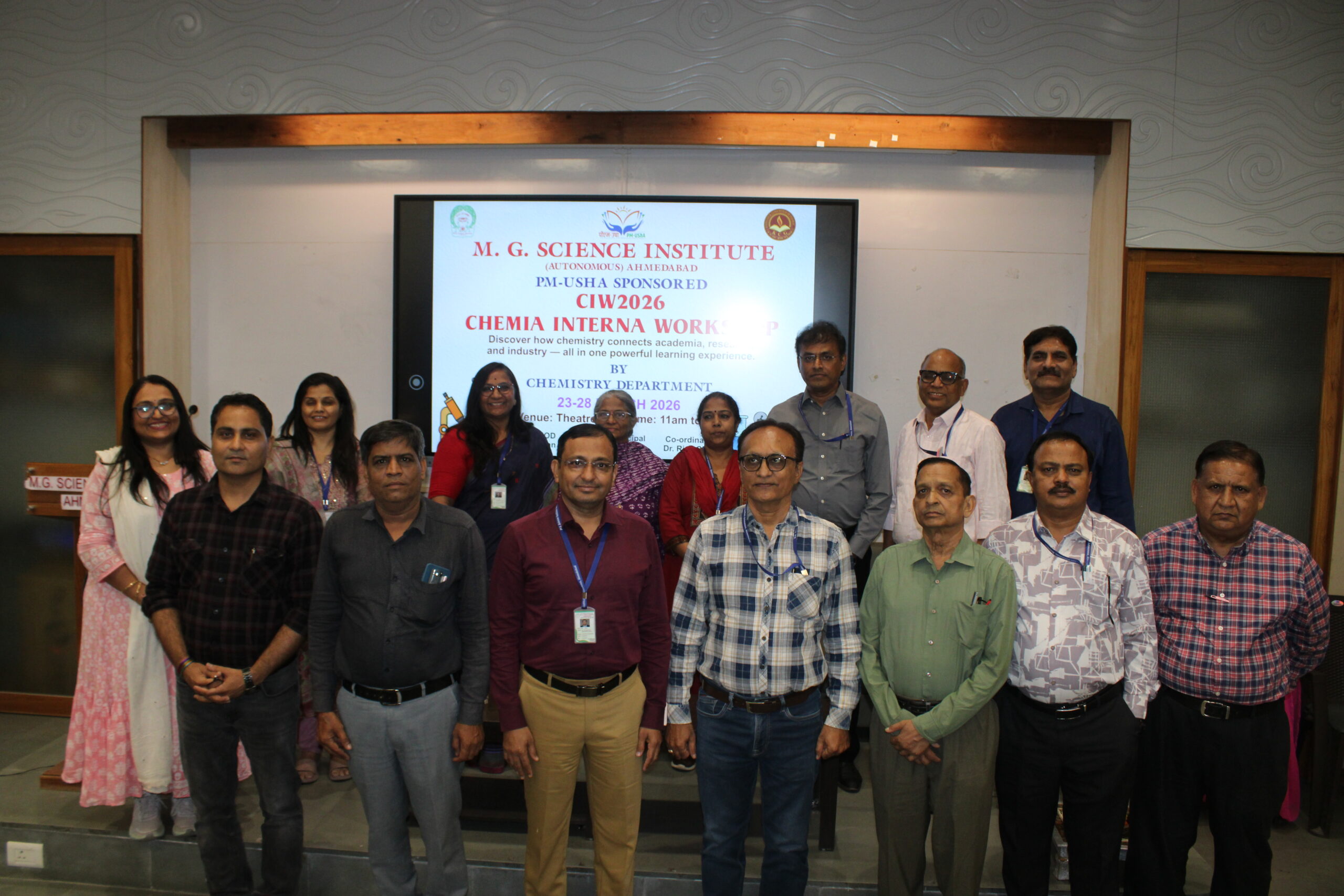
The five-day workshop CHEMIA INTERNA (CIW 2026) was organized under the PM-USHA initiative by the Department of Chemistry, M. G. Science Institute, in association with the Knowledge Consortium of Gujarat (KCG).
The workshop aimed to enhance participants’ knowledge and practical skills in modern chemical analysis, advanced instrumentation, and emerging techniques through a blend of expert lectures and hands-on training.
The successful conceptualization and execution of this workshop were greatly inspired and encouraged by Dr. Shriram Nerlekar, Director, Ahmedabad Education Society, whose constant support and visionary leadership played a pivotal role in shaping this academic initiative. His emphasis on strengthening practical and research-oriented learning in higher education served as a strong motivation behind organizing such a comprehensive and skill-based workshop. The program reflects his commitment towards promoting quality education, innovation, and capacity building among students and faculty in the field of science.
Day 1 (23rd March 2026): NMR Spectroscopy
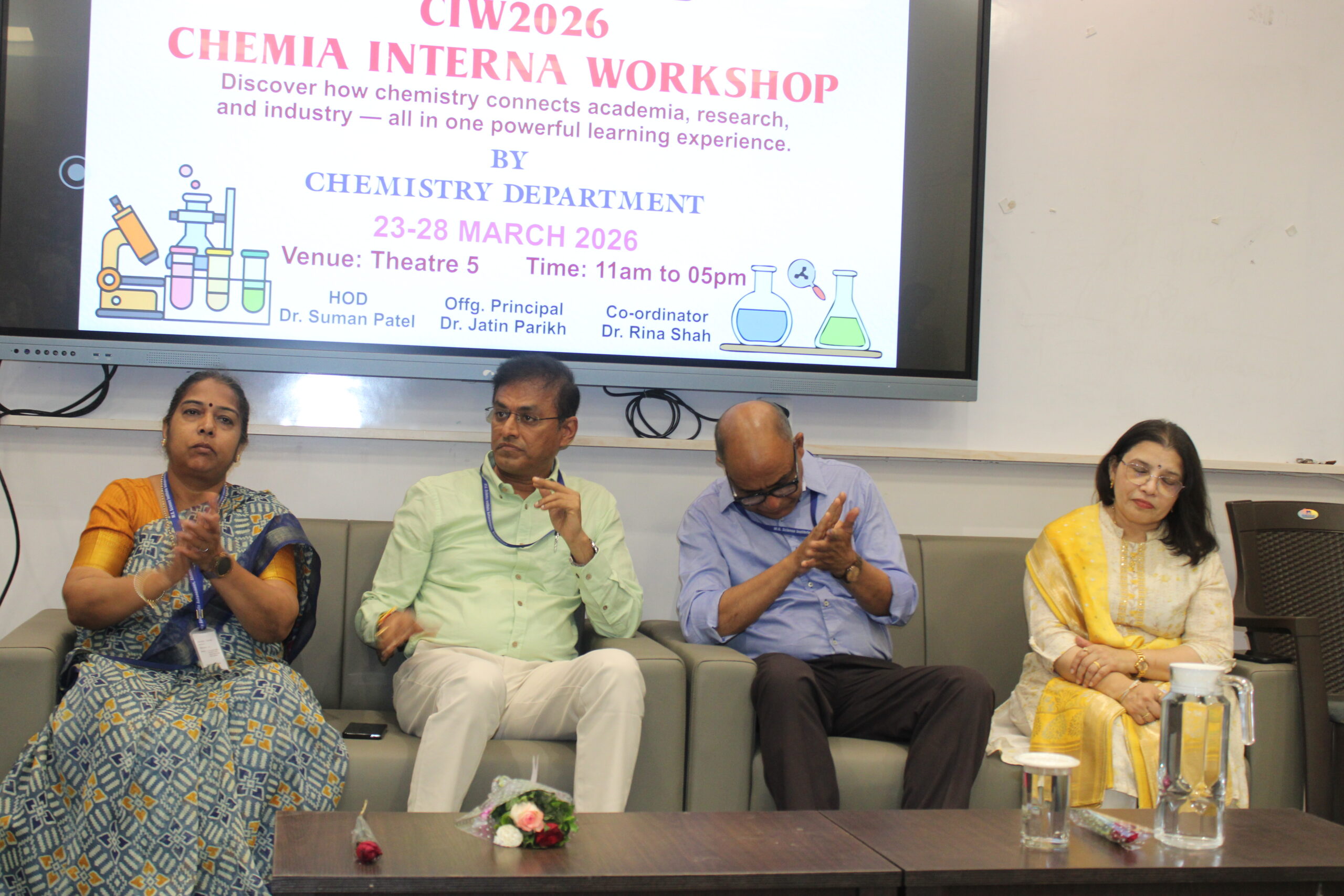
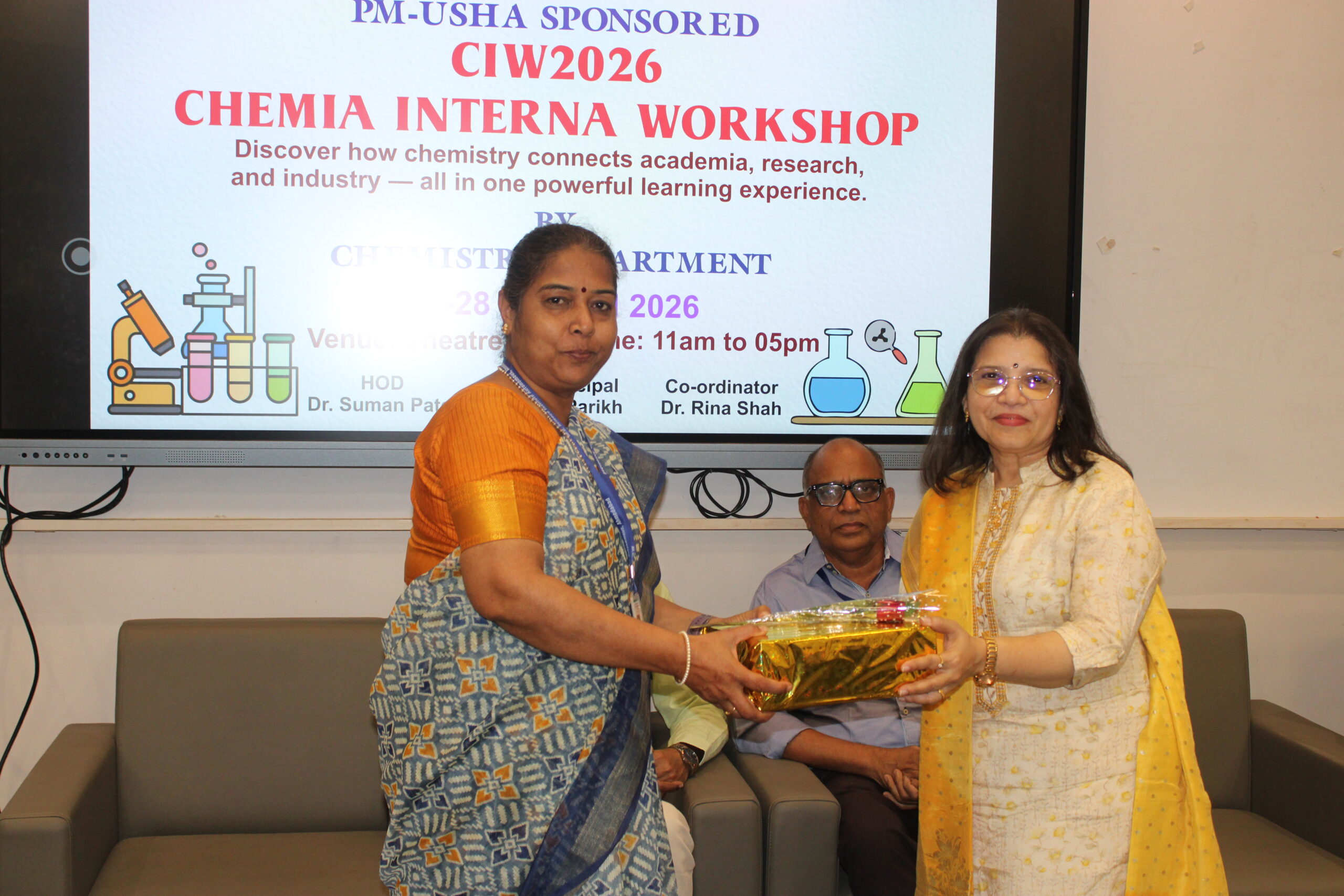
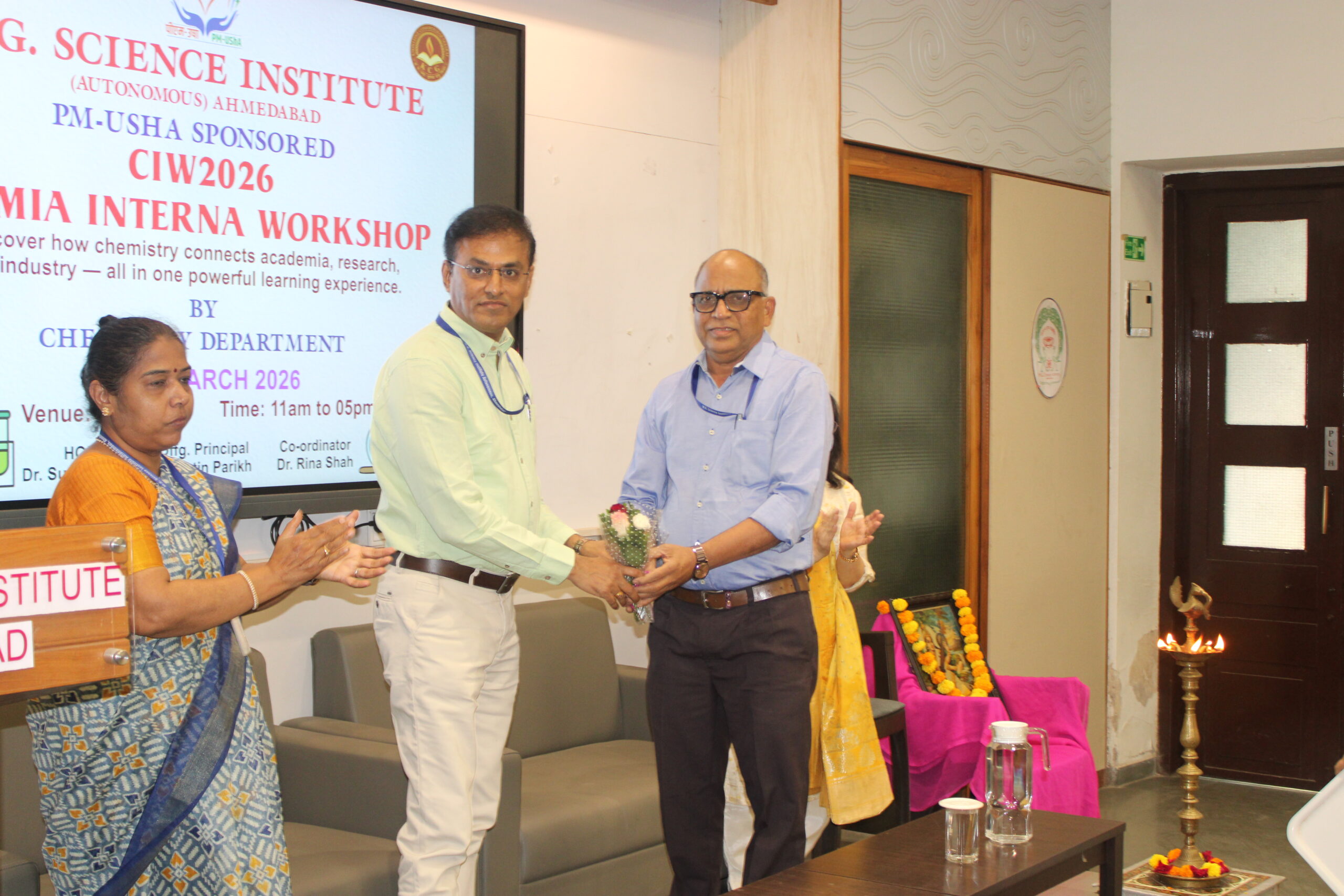
The workshop commenced with registration and inauguration, and before the commencement of the technical sessions, a few inspiring words were shared by Dr. Suman Patel, Head of the Department of Chemistry, who welcomed the participants and highlighted the importance of such workshops in enhancing practical and analytical skills in chemistry.
This was followed by an address from Dr. Jatin Parikh, Principal of the institute, who motivated the participants by emphasizing the significance of continuous learning and the role of advanced techniques like Spectroscopy, Chromatography, and microsynthesis in modern scientific research.
The workshop coordinator, Dr. Rina Shah, also addressed the participants and briefly outlined the objectives and structure of the five-day workshop. She encouraged participants to actively engage in all sessions and make the most of the learning opportunities provided.
Then the technical sessions were conducted by Dr. Anuradha Gajjar, focusing on the fundamentals and advanced aspects of NMR spectroscopy. Participants gained in-depth knowledge of spectral interpretation through interactive lectures and hands-on problem-solving sessions, building a strong conceptual foundation.
Day 2 (24th March 2026): Chromatographic Techniques & Industrial Exposure
The second day focused on chromatographic techniques, with expert sessions by Dr. Mukesh Kher covering HPLC, GC, and their applications in pharmaceutical and chemical analysis.
Participants received hands-on training at L. M. College of Pharmacy (LMCP), where they worked with instruments such as HPLC, GC, IR, UV-Visible spectrophotometer, and fluorometry. Additionally, exposure to the Atal Incubation Centre provided insights into innovation and startup development, making the day highly skill-oriented and industry-relevant.
Day 3 (25th March 2026): Computational Chemistry & Advanced Instrumentation
The third day emphasized computational chemistry and advanced analytical instruments. Sessions by experts, including Dr. Dharamshi Rabari, introduced participants to computational tools such as Gaussian and GaussView for molecular modeling, providing a strong foundation in theoretical simulations and their practical relevance. Dr. Rabari has also discussed FTIR spectroscopy to enhance participants’ understanding of structural characterization methods.
Further sessions were delivered by Dr. Shridhar Dalai, Dr. Aditi Singhal, and Dr. Snigdha Khuntiya, who covered advanced analytical techniques including XRD, BET surface area analysis, and GC-MS. Their sessions effectively combined theoretical concepts with instrumental insights and real-world applications, enabling participants to understand the significance and utility of these techniques in research and industry.
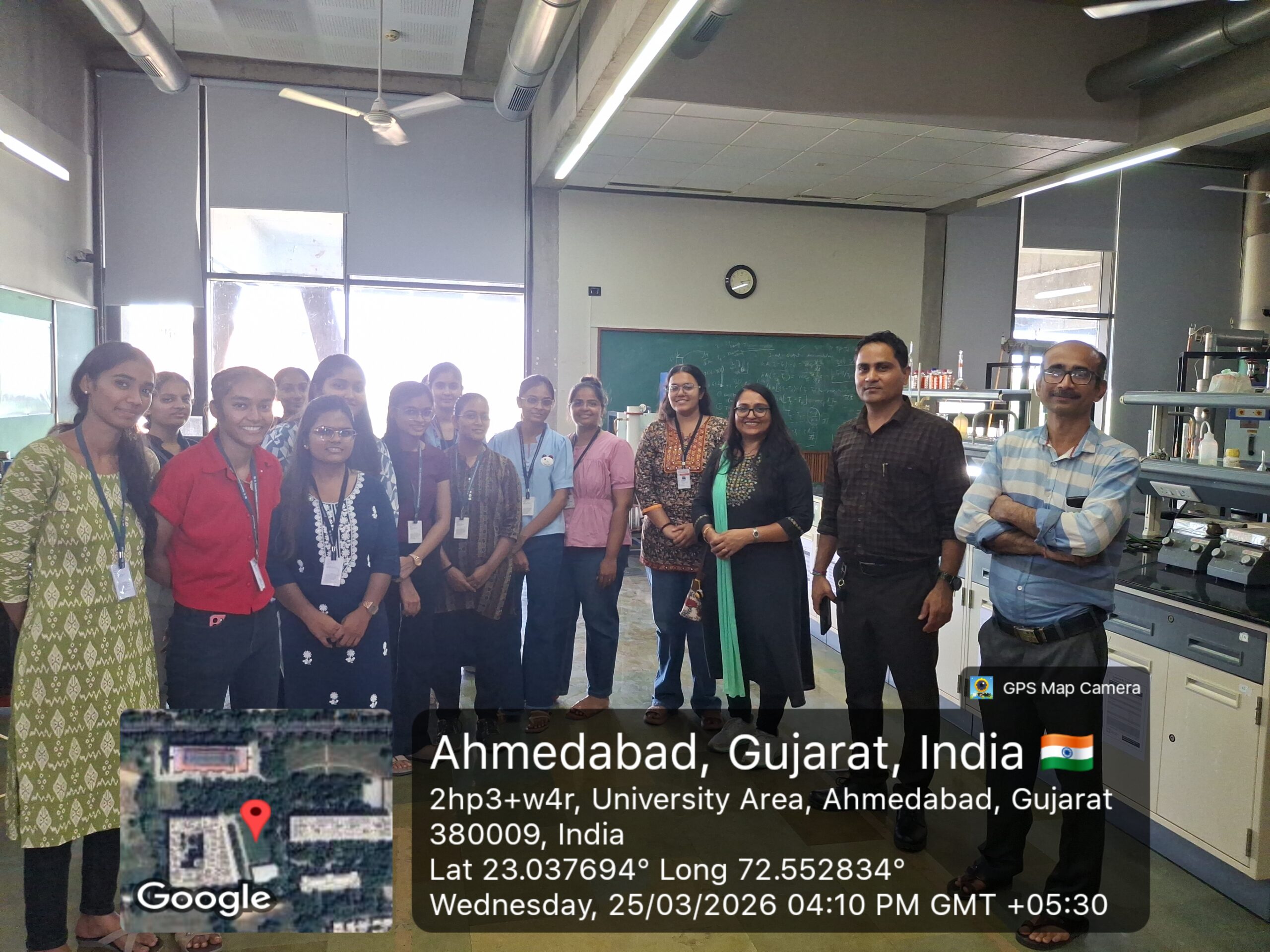
In addition, hands-on training sessions at Ahmedabad University to further enriched the learning experience, where participants were provided practical exposure to advanced instruments such as GC-MS, XRD, and BET surface area analyzers. Participants not only gained operational insights into these sophisticated techniques but also developed a better understanding of their real-time applications in research. Furthermore, a guided visit to various chemistry laboratories was organized, allowing participants to explore different experimental setups and facilities, thereby broadening their practical knowledge and familiarity with modern laboratory infrastructure.
Day 4 (27th March 2026): Advanced Analytical Techniques
The fourth day strengthened participants’ understanding of analytical and chromatographic methods, including advanced and hyphenated techniques such as GC-MS and ICP-based methods. The sessions were effectively conducted by Dr. Mukesh Kher from L. M. College of Pharmacy (LMCP), who emphasized practical applications, problem-solving approaches, and real-life analytical challenges, making the learning experience more application-driven and comprehensive. In addition, participants had the opportunity to visit the Atal Incubation Centre at LMCP, where they gained valuable exposure to innovation-driven research, startup incubation processes, and the translation of scientific ideas into practical applications, further enriching their overall learning experience.
Day 5 (28th March 2026): Micro Synthesis & Valedictory
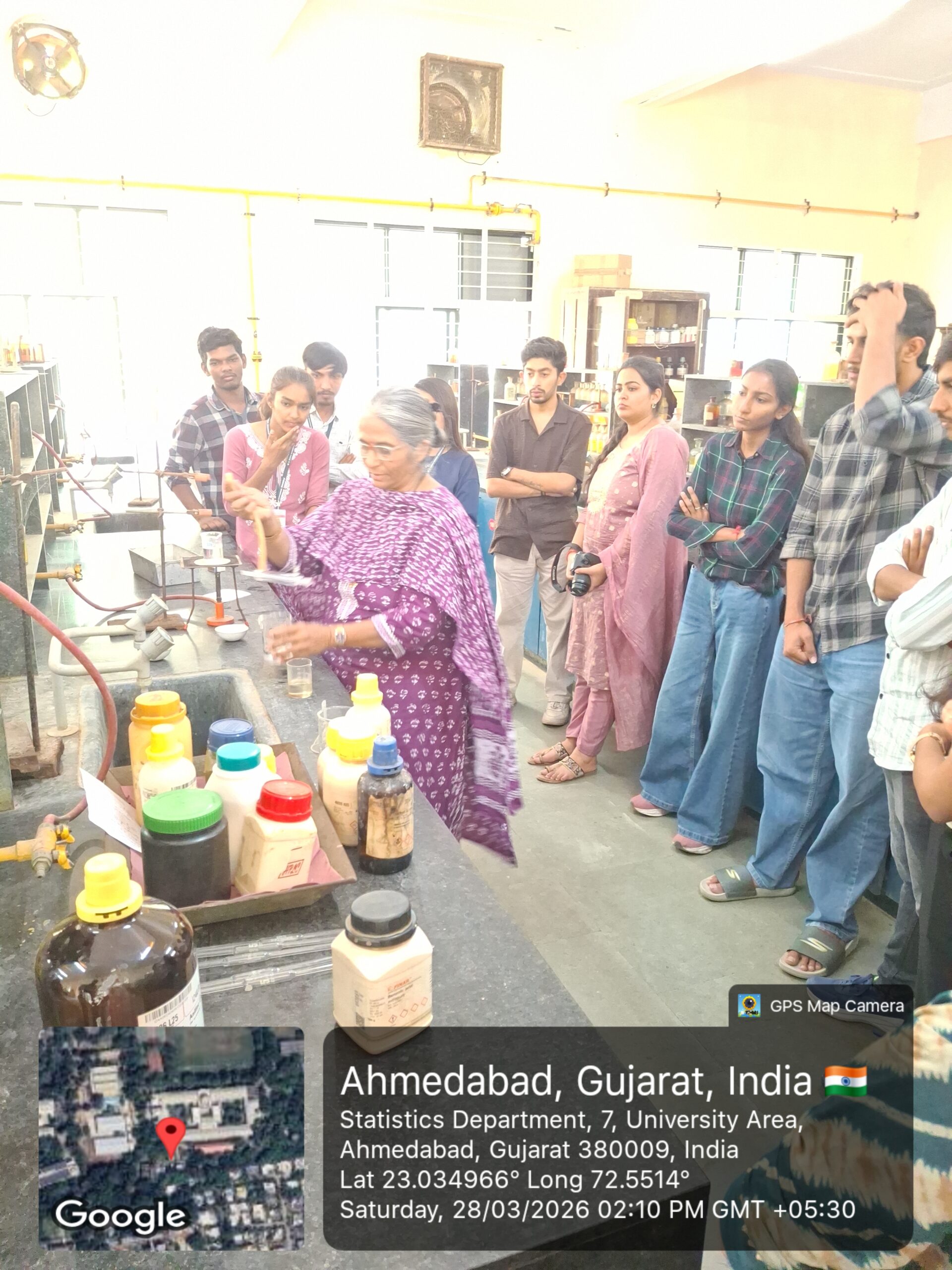
The final day focused on micro synthesis and its laboratory applications, highlighting key advantages such as reduced chemical consumption, enhanced safety, cost-effectiveness, and environmental sustainability. The sessions were expertly conducted by Dr. Sujata Kale, whose insightful guidance and clear explanations helped participants understand the core principles and practical significance of micro-scale techniques.
The sessions covered the fundamental concepts and practices of micro synthesis, followed by detailed demonstrations of micro synthesis and microdistillation techniques using specialized micro apparatus. Dr. Kale also emphasized the importance of adopting micro-scale methods in modern laboratories for greener and more efficient chemistry. These demonstrations provided valuable hands-on insights, enabling participants to develop practical skills and a deeper appreciation for sustainable laboratory practices.
Prior to the concluding session, participants were provided with a Google Form-based assessment, which included questions covering the key concepts and learnings from all five days of the workshop. This initiative helped in evaluating participants’ understanding and overall learning outcomes. In addition, a feedback form was also circulated to gather participants’ suggestions and reflections on the workshop.
During the concluding session, Dr. Jatin Parikh delivered an inspiring address, encouraging participants to apply the knowledge gained in their academic and research pursuits. A comprehensive summary of the workshop was presented by Dr. Suman Patel, followed by motivating words from Dr. Sujata Kale.
The session concluded with a heartfelt vote of thanks by Dr. Rina Shah, Coordinator of the workshop, who sincerely acknowledged the dedicated efforts of all contributors. She expressed special appreciation for the volunteers, student coordinators, anchors, and non-teaching staff for their continuous support and smooth execution of the five-day program. She also extended gratitude to all participants for their active involvement.
The organizing committee expresses its sincere and heartfelt gratitude to Dr. Shriram Nerlekar, Director, Ahmedabad Education Society, for his constant encouragement, visionary leadership, and generous support, which played a vital role in the smooth execution and overall success of the workshop.
Special thanks were conveyed by the organizing committee to Dr. M. T. Chhabria, Principal of L. M. College of Pharmacy (LMCP), Dr. Anuradha Gajjar, Head of the Department of Pharmaceutical Chemistry & QA, LMCP, Dr. Mukesh Kher- Assistant Professor, Department of Pharmaceutical Chemistry & QA, LMCP, Dr. Sanjay Chaudhary-Associate Dean, Ahmedabad University, Dr. Dharamshi Rabari-Head of the Chemical Engineering Department, Ahmedabad University, for their valuable support, guidance, contributions, and for providing the necessary facilities for the successful conduct of the workshop. Appreciation was also extended to the staff of the Atal Incubation Centre at LMCP and all other resource persons for sharing their expertise and enriching the learning experience.
Certificates were then distributed at the end of the workshop to all participants in recognition of their enthusiastic participation and commitment throughout the workshop.
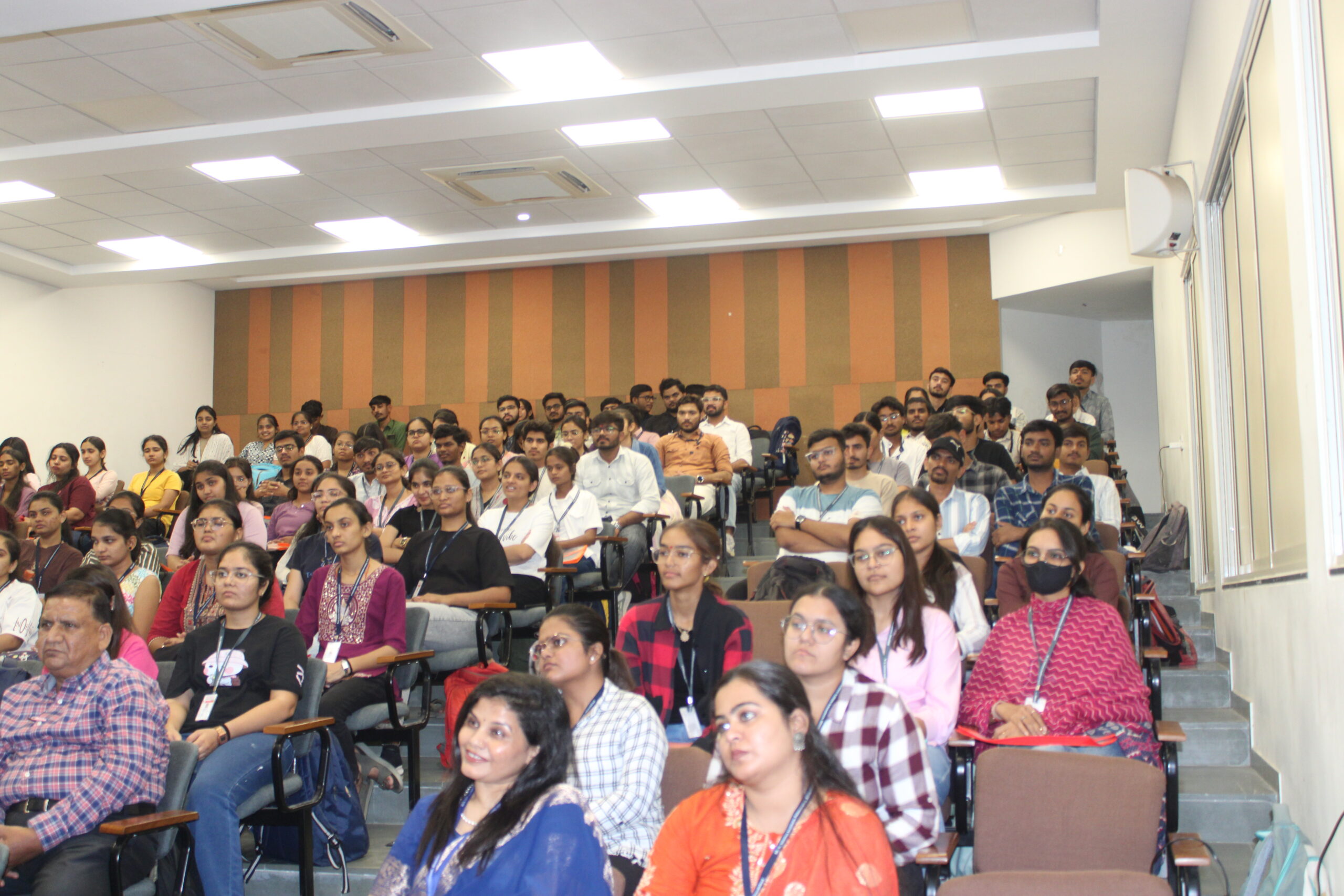
Overall, the five-day workshop was highly successful in achieving its objectives of integrating theoretical knowledge with practical skills. Around 120 participants actively took part in the program, demonstrating remarkable enthusiasm, keen interest, and consistent engagement throughout all the sessions, which greatly contributed to an interactive and enriching learning environment. The sessions were well-structured, informative, and aligned with current trends in chemistry, significantly enhancing participants’ understanding, technical competence, and confidence. The workshop thus provided a valuable platform for learning, interaction, and exposure to modern tools and techniques in chemistry.