Organized by: Department of Botany, M. G. Science Institute, Ahmedabad.
Participants: Students of Botany (Semester II and VI)
Faculty In-charge: Mr. Nilesh Mulia (Head, Department of Botany)
Ms. Dhruvi Gamit (Assistant Professor)
Date: 19 & 20 January, 2026
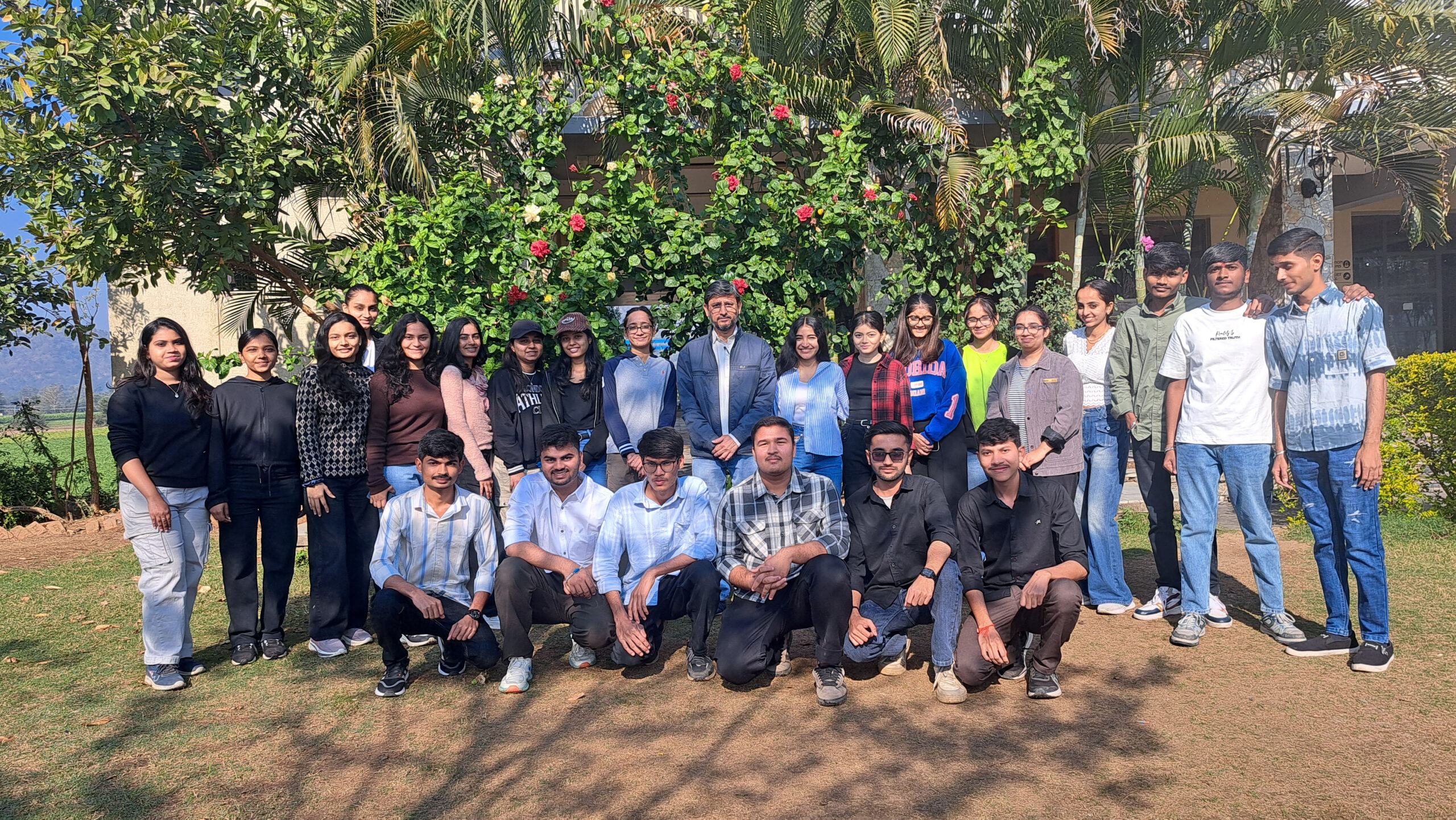
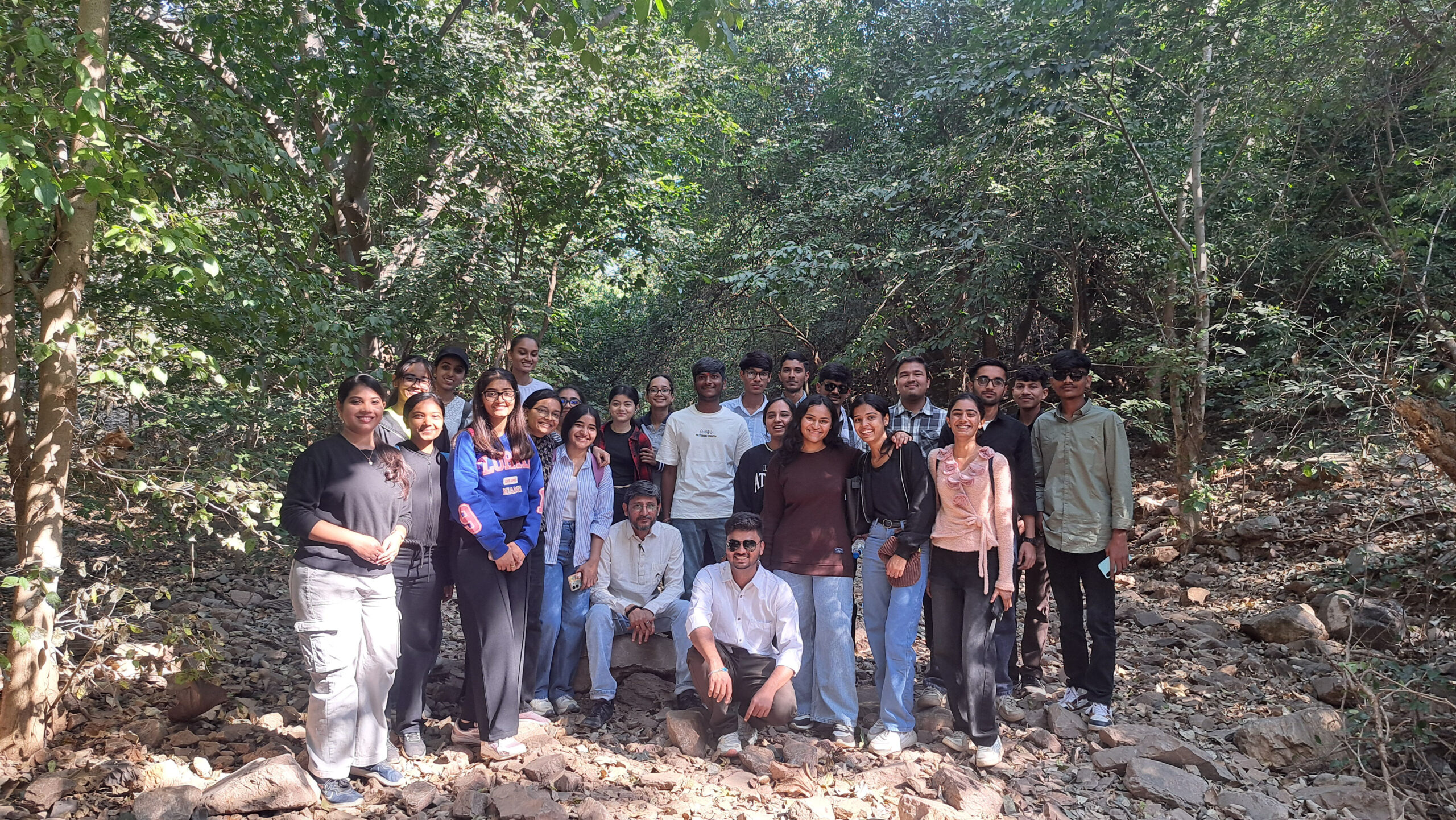
The Department of Botany organized a two-day educational visit to Polo Forest, Vijaynagar, Gujarat on 19th and 20th January, 2026 for Botany students. The visit was conducted under the able guidance of Mr. Nilesh Mulia, Head of the Botany Department, and Ms. Dhruvi Gamit. The primary objective of the visit was to provide students with field-based learning and practical exposure to plant biodiversity and forest ecosystems.
The journey was arranged with comfortable and well-equipped transportation facilities, ensuring the safety and convenience of all participants. The group stayed at a well-maintained resort that offered excellent accommodation and hygienic, good-quality food, contributing to a pleasant and relaxed learning environment.
Activities on Day One
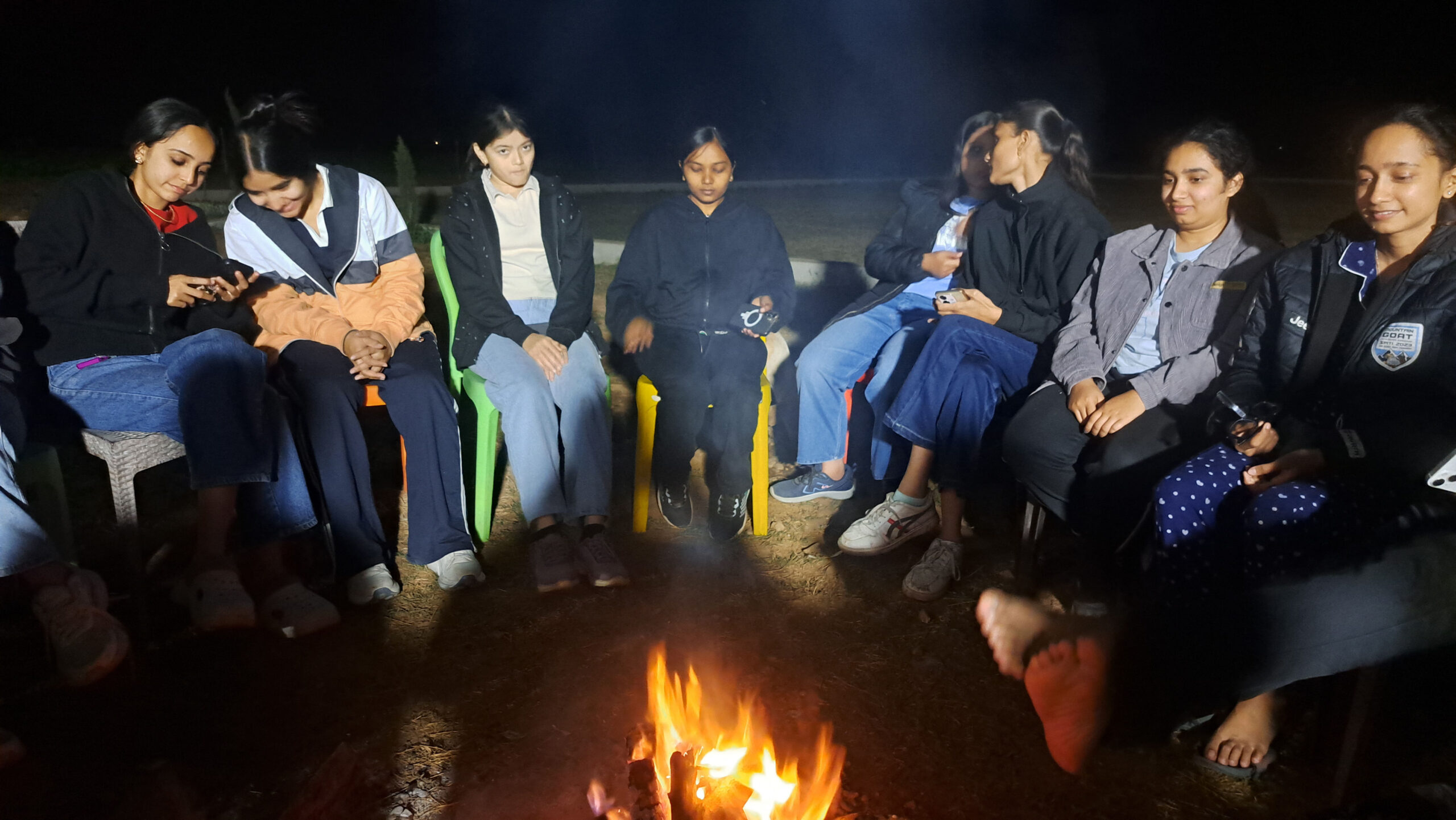
On the first day, students participated in various adventure and recreational activities, including zip line and swimming pool games, which helped promote enthusiasm and team bonding. In the evening, a bonfire was organized, followed by a lively Garba night at the resort. Both students and faculty members actively participated, creating a joyful, energetic, and memorable atmosphere.
Field Visit and Academic Exposure (Day Two)
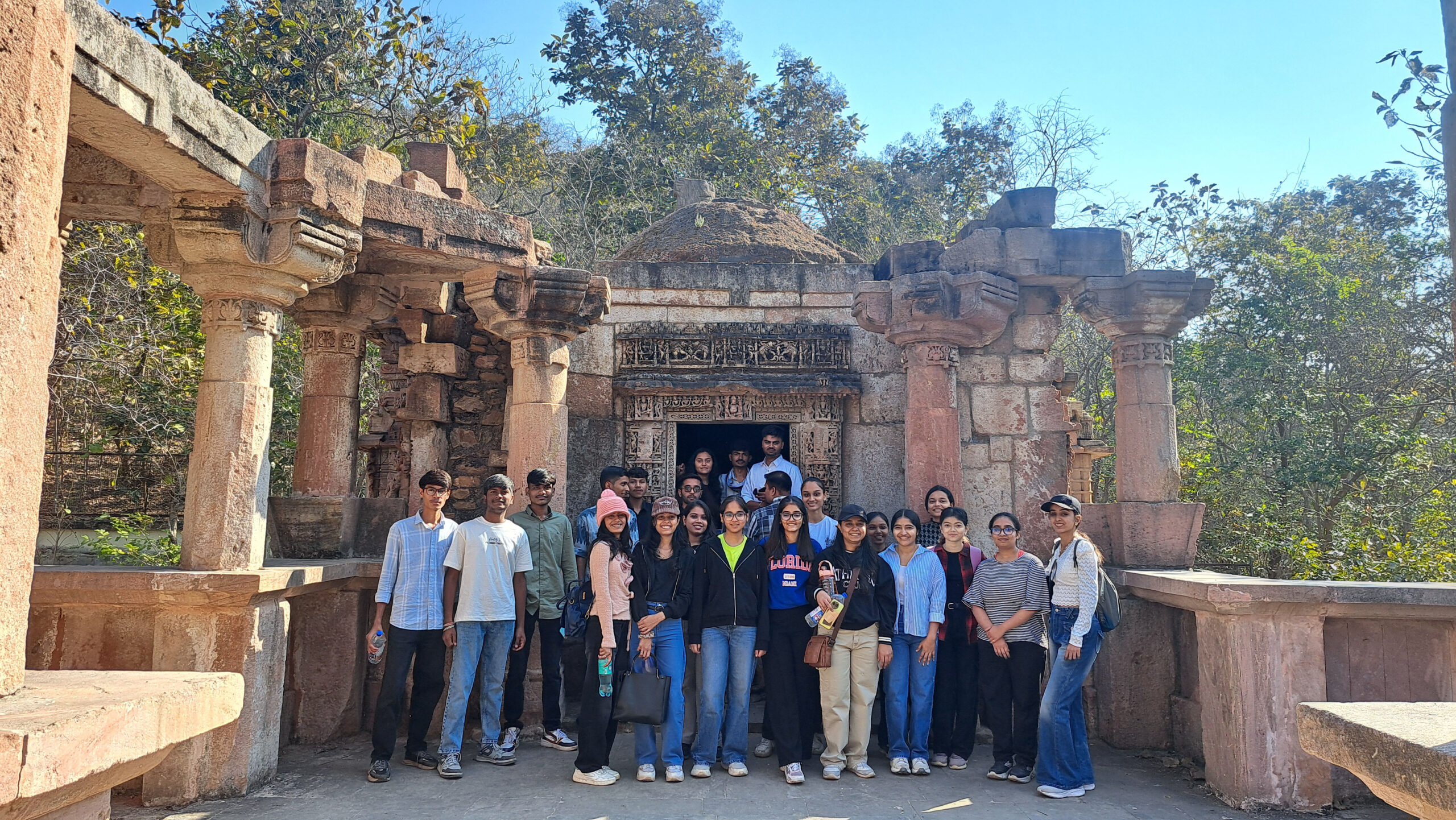
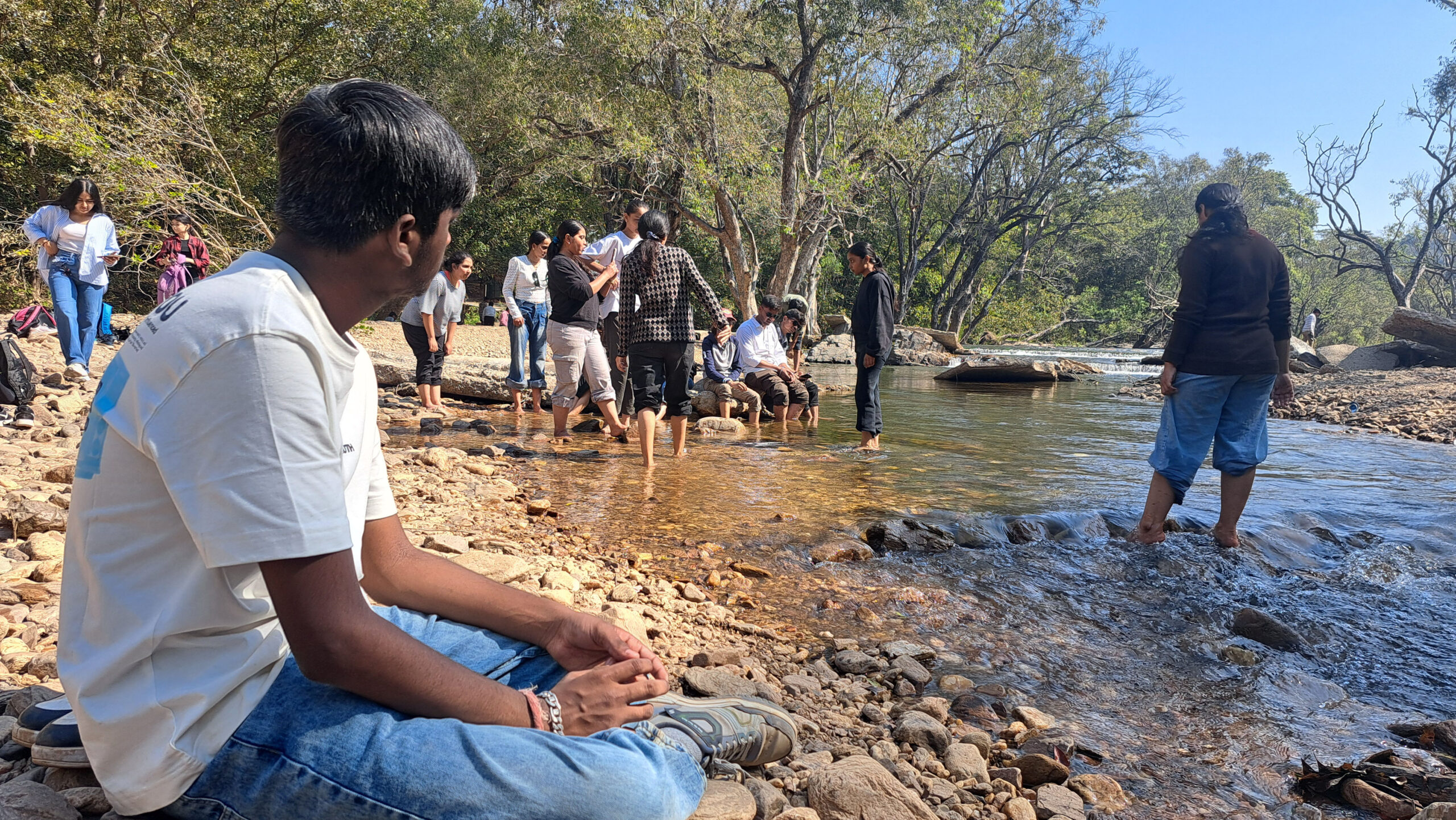
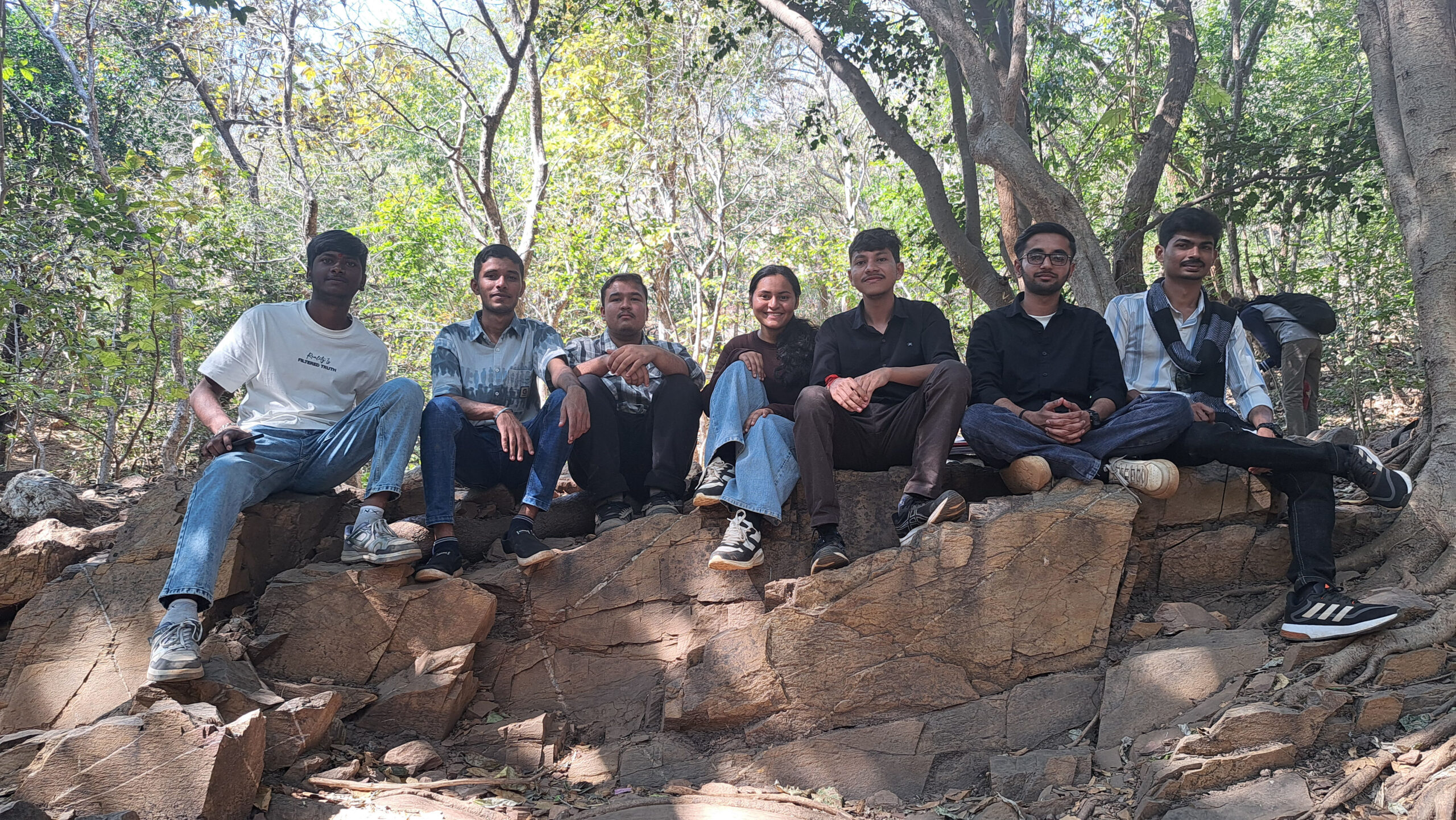
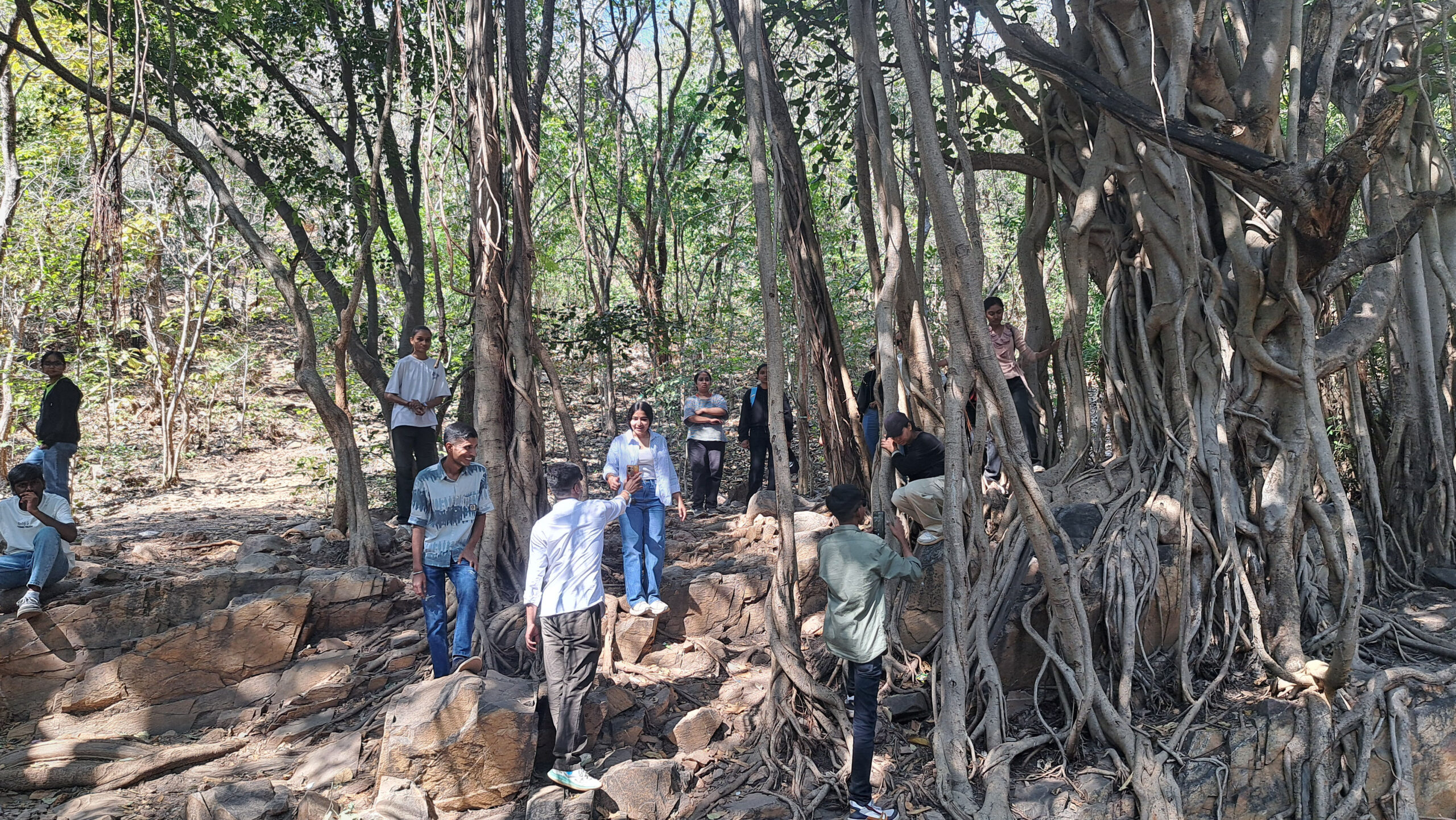
On the morning of the second day, the group, accompanied by a local guide, proceeded to Polo Forest for trekking and field exploration. During the trek, students observed natural vegetation, engaged in nature photography, and identified various plant species with guidance from faculty members. Students also collected selected plant materials such as leaves, twigs, and flowers for herbarium preparation, strictly adhering to ethical and sustainable collection practices.
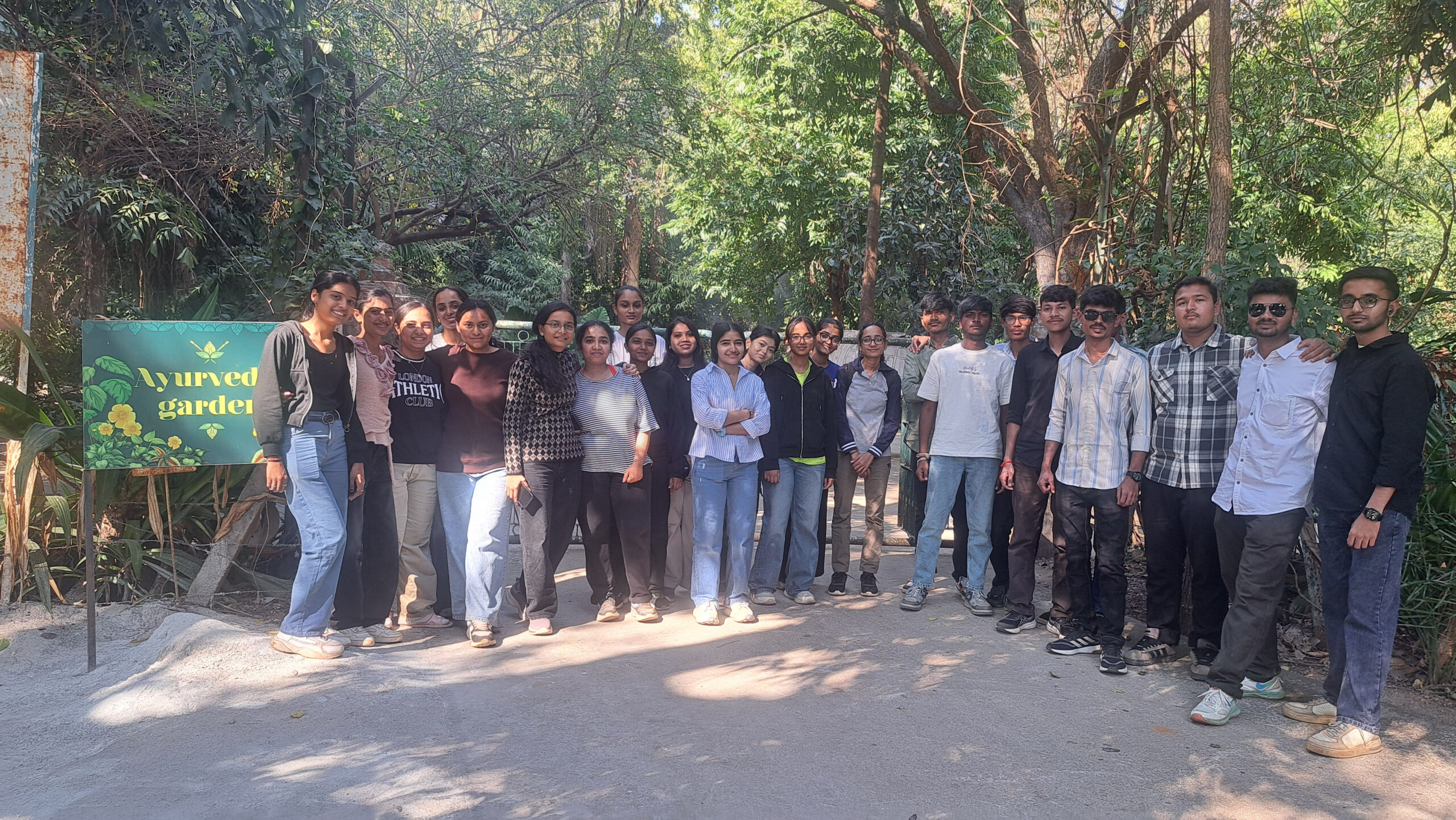
While coming back students visited Ayurvedic Botanical Garden, Aantarsuba Ashram, near Vijaynagar. They saw and learned about more than 250 important Ayurvedic plants like Acacia, Annona, Bombax, Bixa, Boswellia, Citrus, Crataeva, Diospyros, Helicteres and many more & Orchid Garden.
This field exposure significantly enhanced students’ understanding of plant morphology, biodiversity, and forest ecosystems, bridging the gap between theoretical knowledge and practical application. Overall, the educational visit proved to be highly enriching and informative, successfully blending academic learning with recreation. It strengthened teacher–student interaction, encouraged teamwork, and increased students’ interest in Plants Diversity and environmental conservation.